Healthy trees lift a property and shape the character of a street. In Croydon, where Victorian terraces meet mid-century estates and new-build developments, the urban forest is a living asset that needs knowledgeable, steady hands. Good tree care is equal parts science and craft. It involves reading the crown, understanding the soil, respecting wildlife legislation, and working safely above conservatories, phone lines and parked cars. This is the realm of professional tree surgery Croydon homeowners and property managers rely on.
What follows is a practical, experience-led guide to preservation and care. It covers when to prune and when to hold off, how to navigate Tree Preservation Orders and conservation areas, what responsible Croydon tree removal looks like, and how to choose a tree surgeon in Croydon who values trees as much as you do. The focus is local, the advice grounded, and the watchwords are safety, legality and long-term tree health.
The living framework of Croydon’s treescape
Croydon’s canopy is a patchwork. Plane trees line older roads in South Croydon and Purley, lime and hornbeam appear on verges in New Addington, while back gardens hide mature oaks, ash remnants, fruit trees, and the occasional giant conifer planted in the 1970s that has outgrown its welcome. Clay-dominant soils are common to the north and east, with free-draining loams on higher ground towards Sanderstead and Kenley. This matters because species respond differently to soil conditions and drought stress, which have both become more pronounced in recent summers.
Urban trees contend with compacted ground, reflected heat from hard surfaces, pruning wounds of varying quality, and root restrictions from paths and extensions. Good Croydon tree surgeons understand these constraints, and they adjust their approach accordingly, pruning to natural growth points, reducing rather than lopping, and preserving as much of the root protection area as possible during building works.
What professional tree surgery actually involves
Tree surgery Croydon residents ask for most often falls into a few clear categories, each with its own purpose, timing and technique.
Crown maintenance is the backbone. Crown lifting, where lower branches are removed to improve clearance over pavements, parking areas and gardens, keeps sightlines open and reduces conflict with pedestrians and vehicles. It must be balanced so the trunk is not left bare like a telegraph pole. Crown thinning, if carried out judiciously, improves light penetration and air movement in dense canopies like lime and beech, reducing wind sail without creating a top-heavy tree. Crown reduction, often requested where trees have outgrown their space or are clashing with buildings, involves reducing the overall size by pruning back to appropriate laterals. Done well, reductions mimic the natural shape and slow regrowth. Done badly, they become indiscriminate topping, which stores up structural and decay problems.
Deadwood removal is more than tidying. In built-up areas, significant deadwood poses a risk over driveways and play areas. In less trafficked corners, ecologically valuable deadwood can be retained. The art lies in reading the context and retaining habitat where safe.
Formative pruning of young trees is cheap insurance. Correcting crossing branches and poor unions in the first five to ten years saves invasive work later. Many street trees in Croydon would benefit from a light formative prune rather than waiting until the crown is knocking the gutters.
Tree inspections and reports underpin sensible decisions. A qualified arborist will assess structural integrity, defects like cavities or included bark, leaf density for signs of stress, root plate condition, and potential targets beneath the tree. They will also consider species-specific issues, such as Massaria on plane, ash dieback on ash, and honey fungus risks on stumps or in hedges. When a written report is needed for planning or insurance, it should be produced by a suitably qualified person, such as an arboricultural consultant or a principal-level tree surgeon Croydon councils and insurers recognise.
When removal is the right call
No one enjoys removing a mature tree. The shade, the movement of the leaves, the wildlife value, the presence it brings, all vanish in a day. Yet there are situations where Croydon tree removal is responsible and necessary.
Root heave undermining a boundary wall or lifting a pavement where mitigation has failed can become hazardous. Severe decay at the base or in major unions, particularly with fungal fruiting bodies like Meripilus on beech or Ganoderma in oaks and maples, can indicate a loss of structural stability that no amount of pruning can offset. Storm damage that leaves significant tearing and compromised attachments may turn a proud specimen into a liability in the next gale. Ash dieback has accelerated this equation across the borough; infected Ash can become brittle quickly and unsafe to climb.
In constrained gardens, towering conifers planted as screening often outgrow the site by the third decade. Reduction can buy time, but repeated heavy reductions tend to produce weakly attached regrowth. Removing and replanting with an appropriate species is often the more honest solution.
Professional Croydon tree surgeons approach removal methodically. Sectional dismantling with rigging to lower timber protects greenhouses, roofs and garden spaces. A proper site-specific risk assessment, traffic management if needed on narrow roads, and an eye on nesting birds and bats are non-negotiable. The result is a safe, controlled process with minimal collateral damage.
Working lawfully: TPOs, conservation areas and protected species
Croydon has thousands of trees covered by Tree Preservation Orders, along with conservation areas where all trees above a certain stem diameter are protected. Before any significant tree cutting Croydon residents contemplate, it pays to check the status. The council’s online map and a call to the planning department will confirm whether a TPO applies or if you need to give six weeks’ notice in a conservation area. Experienced contractors will do this on your behalf and provide the required arboricultural justification.
TPO consent is not a rubber stamp. The application should explain the defects, the targets at risk, and why alternatives like a lighter reduction or staged management will not suffice. Photographs and, where appropriate, a professional report add weight. If a tree is dead or dangerous, exemptions allow urgent work, but evidence should be gathered before cutting. It is good practice to inform the council even where an exemption applies.
Wildlife law overlays the planning rules. The nesting bird season runs roughly March to August, though nests can appear outside these dates. A pre-works check is essential. Bats, and their roosts, are protected year-round. Features such as cavities, lifted bark and dense ivy warrant a licensed bat survey where risk is identified. Reputable tree surgeons Croydon homeowners trust will build these checks into their workflow.
Preservation starts in the soil
Above-ground work gets the headlines, yet the roots decide a tree’s future. A useful mental model is that the root system often extends at least as far as the canopy spread, with the bulk of fine, absorbing roots in the top 600 mm of soil. In gardens, that zone is regularly compacted by foot traffic, patios, driveways and building works.
Where trees are stressed or showing thin crowns, good practitioners look down first. Mulching a metre or two beyond the dripline with a 5 to 10 cm layer of woodchip or composted mulch reduces evaporation, buffers temperature, and feeds the soil biology that supports fine roots. On clay, a coarse woodchip mix encourages structure and improves infiltration. On thin, free-draining soils, mulch helps conserve limited moisture.
Decompaction techniques have a role when access allows. Air-spade work to break up hardpan, combined with organic matter amendment, can restore oxygen and water movement to the root zone. It is a niche technique and needs careful use around sensitive roots. In new planting, mycorrhizal inoculants can improve establishment, especially for trees transplanted at larger sizes.
The other side of the coin is to avoid harm. Trenching for services in the root protection area, laying impermeable surfaces hard up against the trunk, or significant soil level changes around the base will strangle a tree with good intentions. Early arboricultural input on extensions and garden redesign prevents expensive mistakes.
Pruning with timing and biology in mind
Different species respond to cuts in different ways. Understanding growth cycles and disease susceptibility keeps work effective and reduces stress.
Oak, a mainstay in Croydon gardens, responds best to light pruning in mid to late winter or in mid-summer when the risk of fungal infection is lower. Heavy pruning is discouraged because of decay risk and the tree’s slow compartmentalisation.
Plane, common on streets around Croydon town centre, tolerates reductions well and is often kept to manageable sizes through cyclic pruning. Massaria disease, however, has become more prevalent, causing limb death. Routine crown inspection and timely removal of affected branches mitigate risk.
Silver birch bleeds sap heavily in late winter and early spring if pruned, so late summer is the preferred window. Over-pruning can cause dieback, so reductions should be conservative.
Cherry and other Prunus species are prone to bacterial canker. Summer pruning reduces infection risk. Clean cuts and good hygiene matter here more than usual.
Conifers demand a different mindset. Most will not reshoot from old wood. Reductions must be modest and targeted to the green foliage. Leyland cypress, the classic boundary giant, can be contained if started early and maintained regularly. Once it towers, reduction options narrow quickly.
The broad rule is to prune to a reason, not a schedule, and to size cuts such that the tree can close wounds efficiently. Ends of branches should be cut back to a lateral that is at least one third the diameter of the removed limb, preserving the branch’s ability to feed itself, and the natural architecture should be respected rather than imposed.
The risks of topping and why reductions differ
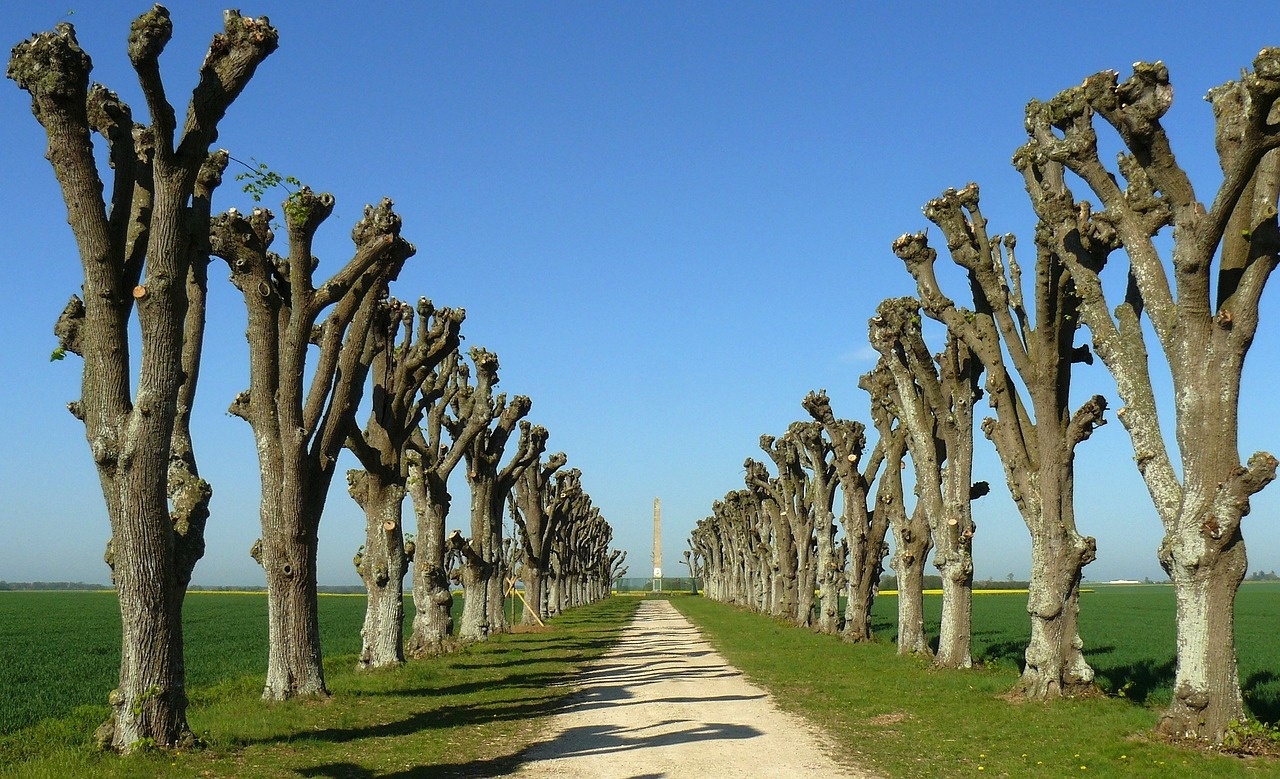
Every experienced tree surgeon in Croydon has met a topped tree. Flat-topped sycamores sprouting water shoots, conifers hacked into lopsided poles, and willows cut hard at random heights. Topping seems decisive, but it is rarely a cure.
The biology is straightforward. Removing the crown’s terminal growth floods the tree with hormones that trigger epicormic shoots. These shoots are fast, weakly attached, and hungry for light. Within a season or two the tree is as tall as before, only now it carries a hedge of poorly anchored shoots that will fail in wind. Large, indiscriminate cuts also invite decay, especially in species with slower compartmentalisation.
Crown reduction, by contrast, shortens ends by cutting back to suitable laterals. The new terminal bud is on a branch that is already integrated into the tree’s vascular system. Regrowth is slower, attachment is stronger, and the shape remains natural. It takes more time and skill, and it is why reductions cost more than topping, but over a decade it saves money and avoids repeated crisis work.
Croydon’s planning context for homeowners and landlords
Residential tree work intersects with insurance premiums, subsidence claims, neighbour relations and planning obligations. Homes on shrinkable clay can experience seasonal movement exacerbated by thirsty species like willow and poplar. Before rushing into removal under the banner of subsidence, gather evidence. Monitoring crack widths across seasons, soil investigations to confirm clay, and root identification from bore samples build a defensible case. Insurers are more receptive to staged mitigation, such as sensitive crown reduction and root barriers, where they are appropriate, than blanket felling.
Boundary trees raise predictable questions. Overhanging branches can be pruned back to the boundary, provided you avoid trespass and do not harm the tree’s stability. Fruit or debris falling from the neighbour’s tree is generally your responsibility to clear, not theirs to prevent. Open conversation early, backed by a professional opinion from a tree surgeon Croydon residents can trust, prevents disputes that escalate via solicitors.
For landlords and property managers, cyclical inspections are good risk management. Keeping a record of inspections and works, especially for high-footfall sites like HMOs or blocks with communal gardens, shows that you have taken reasonable steps. After storms, a targeted post-event check catches broken limbs before they drop.
The safety culture behind good tree work
Climbing and rigging above valuable property is unforgiving of shortcuts. Reputable tree surgeons Croydon clients return to carry comprehensive insurance, including public liability and employers’ liability appropriate to the team size and risk profile. They also invest in training at every level, from ground staff who manage rope systems and chipper safety, to lead climbers who assess anchor points and manage complex dismantles.
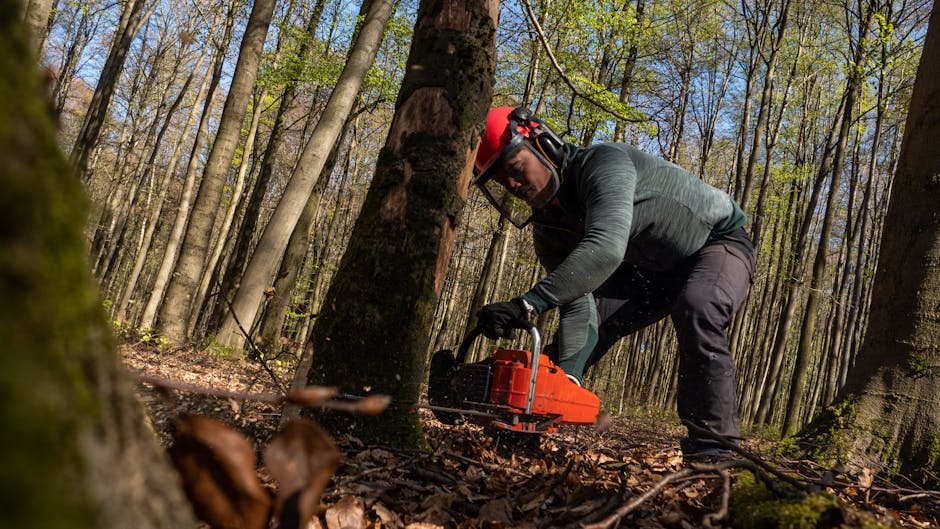
On site, that competence looks like a clean drop zone, barriers and spotters where the public might wander through, and a pre-start briefing that allocates roles. Saws are checked before work, rigging gear is rated and inspected, and cuts are planned so that each section is controlled. Overhead lines are identified and distances respected. The team should look comfortable, communicating calmly, because they know the plan.
A word on pricing: safe, legal work costs what it costs. If a quote is dramatically lower than the rest, something has been left out. That missing item tends to be insurance, training, or time, and none of those are luxuries you want omitted when heavy timber is moving over your patio.
Choosing the right tree surgeon in Croydon
The market is crowded, and the stakes are high. A careful selection process pays off in fewer headaches and a better outcome for your trees.
- Look for qualifications and affiliations that mean something in practice: evidence of formal training in arboriculture, ongoing CPD, and climbing certifications. Membership in recognised trade bodies can be a useful indicator of standards. Ask about insurance and do not be shy about seeing certificates. Public liability should reflect the scale of work undertaken. Expect a site visit before a quote. A good contractor will ask about access, services, targets under the tree, and legal status like TPOs. They will discuss options, not just the most drastic cut. Compare like with like. Ensure the specification is clear: percentage reduction, height to be lifted, whether arisings are removed or left as mulch, stump treatment, and protection measures. Notice attitude to wildlife and neighbours. Care around nesting and roosting, consideration for parking and noise, and tidy site management are marks of a professional.
Stumps, regrowth and what comes next
After Croydon tree removal, the stump remains. Leaving it low and flush is sometimes fine, especially where it will mulch into a wildlife corner. In lawns or planting beds, stump grinding to 200 to 300 mm below grade allows replanting or turf reinstatement. Some species like sycamore, robinia and cherry will produce suckers from the stump or roots. If regrowth is undesirable, a targeted stump treatment applied immediately after felling prevents a thicket.
Where a significant tree is removed, it is worth planning the replacement before the old crown has faded from memory. Right tree, right place is more than a slogan. Measure the available space, consider the soil and exposure, and think about the function: shade in summer without winter gloom, screening without a future dispute, blossom without slippery paths, roots that will not lift the patio.
Small to medium trees that often work well in Croydon gardens include Amelanchier for spring blossom and good autumn colour, crab apple for wildlife and manageable size, Persian ironwood for autumn, or a multi-stemmed birch for lightness on clay soil. For evergreens with grace, consider yew, holm oak in sheltered sites, or a well-managed laurel hedge rather than a Leyland wall.
Water, heat and the new normal
Drought stress and heat spikes have become more frequent in south London. Even established trees benefit from a treethyme.co.uk tree surgery Croydon considered watering plan in the first dry summers after planting. A slow soak once a week, delivering 20 to 30 litres, is far better than a daily sprinkle. Mulch conserves that moisture. For older trees, the focus is on reducing additional stresses, not watering mature giants, which is not practical on any scale.
Heat stress shows up as early leaf drop, scorched margins, and sparse crowns the following year. Where crowns thin, resist the urge to cut heavily. Trees need leaves to rebuild reserves. Light pruning to remove hazards, combined with soil care and watering of adjacent planting that shades the ground, gives them a chance to recover.
Storms, windthrow and preparedness
Winter storms concentrate the risks. Shallow-rooted species on wet clay, trees with dense, unthinned crowns, and those with previous topping are more exposed to failure. Preparing for winter is simple enough: inspect for dead or hung-up branches, reduce sail modestly on species that tolerate it, and clear ivy from the base to allow inspection of the trunk. Ivy is valuable for wildlife and does not strangle healthy trees, but it can hide defects and add wind resistance. A balanced approach works best, retaining ivy where it is not a risk.
When a limb fails, the aftermath can be more dangerous than the storm. Tensioned timber and damaged stems behave unpredictably. Rope and rigging experience is essential to clear safely. If a road is blocked or a tree is on power lines, call the relevant authorities first. Most Croydon tree surgeons offer reactive call-outs, but clear communication about safety perimeters, temporary fencing, and immediate risks comes ahead of tidying the mess.
The economics of long-term care
Well-maintained trees are not a cost sink. They add measurable value to property and save money in the round. A structured plan, revisited every two to five years depending on species and site, evens out expenditure and avoids crises. Early formative pruning £, small crown lifts ££, and scheduled reductions £££ cost less than emergency dismantles ££££ after neglect. The arithmetic is even clearer when you cost in damaged roofs, blocked gutters, or neighbour disputes.
Timber arisings can be part of the value story. Many clients opt to keep woodchip as mulch or logs for seasoning. Where disposal is needed, reputable firms recycle chip into biomass or compost rather than landfilling. Ask where your tree will end up; the answer reveals a lot about the company’s approach.
A note on communication and clear specifications
Clarity avoids disappointment. A good specification reads like a plan rather than a slogan. Instead of “reduce tree by 30%” which is ambiguous, a better brief is “reduce height and lateral spread by approximately 2 metres, cutting back to suitable laterals to retain natural form, removing no more than 20% of live foliage.” For crown lifting, specify the clearance height above ground over the garden and over the pavement if applicable, and confirm whether secondary branches are retained to avoid a stark, pruned look.
Agree how arisings will be handled, whether the site will be left raked and chip-blown, whether stump grinding is included, and how access will be protected. In Croydon’s terraced streets, narrow side access can limit chipper placement and vehicle access, affecting cost and method. Discuss parking suspensions for larger jobs on-street. The more that is decided up front, the smoother the day goes.
Edge cases that demand judgement
Some situations do not fit neatly into a checklist and rely on professional judgement informed by experience. Veteran trees with hollow trunks can be stable and valuable, their hollows supporting owls, bats and beetles. Reductions to reduce wind sail and careful monitoring may be better than removal, even when the void looks alarming. Multi-stem trees with included bark can often be stabilised with light reductions and, in some cases, bracing, rather than losing a whole stem.
Boundary oaks shading solar panels or winter gardens invite difficult conversations. Sometimes a modest, well-executed reduction improves light without ruining the tree’s character. Sometimes the honest answer is that light demands conflict with a mature tree’s presence, and planting alternatives for light, or relocating solar arrays, is more sensible.
Where neighbours fall out over debris, pollen or shade, a pragmatic middle path exists. A crown lift over the neighbour’s side, sympathetic thinning where the species tolerates it, and a programme of gutter clearing is often cheaper and kinder than solicitors’ letters.
Case notes from Croydon streets
A mature birch in Addiscombe with thin crown after the drought year. The owner requested a reduction, worried the tree was dying. The better course was to remove deadwood only, leave as many leaves as possible, mulch broadly with woodchip sourced from the day’s work, and avoid summer water stress with a slow-soak regime for adjacent planting. Twelve months on, the crown density improved without the shock of cutting.
A tall Leyland hedge in Purley, eight trees planted as screening in the 1990s, now at 12 metres and shading the entire garden. The owners had been topping irregularly, producing multiple leaders and heavy lateral growth. We set a three-year plan: reduce height by 2 metres in year one to live green, then reshape sides to bring taper back, and establish a yearly trim to prevent future bulk. One tree was too far gone structurally and was removed and replaced with a row of Portuguese laurel, which offers dense screening at a manageable height.
A twin-stem ash in South Croydon showing dieback. Initial inspection in late winter found crown thinning and lesions typical of ash dieback. By midsummer, dieback had progressed, and pruning carried too much risk of brittle failure during climbing. We organised a controlled sectional dismantle with a mobile elevated platform to avoid climbing on compromised wood. Stump retained as a habitat monolith at 3 metres, safe from targets, now supports bracket fungi and woodpeckers.
Sustainability, biosecurity and the bigger picture
We cannot talk about tree care without considering pests and diseases that move with plant material. Oak processionary moth has been marching across parts of London, and while Croydon is on the fringe, vigilance matters. Contractors should clean down saws and gear between sites where risk is identified, and new planting should be sourced from nurseries with strong biosecurity credentials, ideally grown in the UK to reduce import risks.
Chip and logs from diseased material are usually safe to retain on site if handled correctly and the pathogen does not spread via wood or chip, but there are exceptions. Massaria-infected plane wood can be chipped and composted, while infected ash material should be managed sensibly, avoiding movement over long distances. Ask your contractor how they handle diseased arisings.
On the positive side, every reduction that prevents an unnecessary removal, every replacement planting that is well matched to the site, and every mulch ring that keeps the strimmer away from the trunk adds up. Urban trees store carbon, cool streets, and make Croydon a better place to live. Preservation is not a slogan. It is an accumulation of good choices.
How to prepare for a visit from your contractor
A little preparation saves time and makes the day smoother for everyone.
- Clear access routes where possible, move vehicles if the truck and chipper need to be close, and alert neighbours if their parking might be affected. Identify and mark any fragile features like pond liners, buried lighting cables, septic covers or thin paving that might be damaged by foot traffic or falling debris. Keep pets and children indoors while work is underway, and agree a point of contact so decisions can be made quickly on the day.
Final thoughts on care that lasts
Trees respond to care over years rather than days. The best relationship you can have with a Croydon tree surgeon is steady and honest. They should tell you when to leave a tree alone, not just when to cut. They should recommend preservation where safe, removal where necessary, and replanting that suits your soil, space and life.
Whether you are managing a garden in Selsdon with deep, mature shade, a compact yard near East Croydon station that needs privacy without gloom, or a communal landscape for a block of flats in Waddon balancing safety and amenity, the principles are the same. Respect the biology, work within the law, plan for the long term, and hire people who take pride in the craft. Properly handled, tree cutting Croydon residents commission is precise, minimal, and in service of preservation.
And if you are unsure where to start, begin with a walk-round. Stand back, look at the crown outline, notice where branches rub or where deadwood hangs, check the base for fungi or damage, and think about how the tree fits the space. Then bring in a professional. The right tree surgeon in Croydon will see what you see, explain what you do not, and help you keep the living framework of your property sound for years to come.
Tree Thyme - Tree Surgeons
Covering London | Surrey | Kent
020 8089 4080
[email protected]
www.treethyme.co.uk
Tree Thyme - Tree Surgeons provide expert arborist services throughout Croydon, South London, Surrey and Kent. Our experienced team specialise in tree cutting, pruning, felling, stump removal, and emergency tree work for both residential and commercial clients. With a focus on safety, precision, and environmental responsibility, Tree Thyme deliver professional tree care that keeps your property looking its best and your trees healthy all year round.
Service Areas: Croydon, Purley, Wallington, Sutton, Caterham, Coulsdon, Hooley, Banstead, Shirley, West Wickham, Selsdon, Sanderstead, Warlingham, Whyteleafe and across Surrey, London, and Kent.
Google Business Profile:
View on Google Search
About Tree Thyme on Google Maps
Knowledge Graph
Knowledge Graph Extended
Follow Tree Thyme:
Facebook |
Instagram |
YouTube

Visit @treethyme on Instagram
Professional Tree Surgeons covering South London, Surrey and Kent – Tree Thyme - Tree Surgeons provide reliable tree cutting, pruning, crown reduction, tree felling, stump grinding, and emergency storm damage services. Covering all surrounding areas of South London, we’re trusted arborists delivering safe, insured and affordable tree care for homeowners, landlords, and commercial properties.
❓
Q. How much does tree surgery cost in Croydon?
A. The cost of tree surgery in the UK can vary significantly based on the type of work required, the size of the tree, and its location. On average, you can expect to pay between £300 and £1,500 for services such as tree felling, pruning, or stump removal. For instance, the removal of a large oak tree may cost upwards of £1,000, while smaller jobs like trimming a conifer could be around £200. It's essential to choose a qualified arborist who adheres to local regulations and possesses the necessary experience, as this ensures both safety and compliance with the Wildlife and Countryside Act 1981. Always obtain quotes from multiple professionals and check their credentials to ensure you receive quality service.
❓
Q. How much do tree surgeons cost per day?
A. The cost of hiring a tree surgeon in Croydon, Surrey typically ranges from £200 to £500 per day, depending on the complexity of the work and the location. Factors such as the type of tree (e.g., oak, ash) and any specific regulations regarding tree preservation orders can also influence pricing. It's advisable to obtain quotes from several qualified professionals, ensuring they have the necessary certifications, such as NPTC (National Proficiency Tests Council) qualifications. Always check for reviews and ask for references to ensure you're hiring a trustworthy expert who can safely manage your trees.
❓
Q. Is it cheaper to cut or remove a tree?
A. In Croydon, the cost of cutting down a tree generally ranges from £300 to £1,500, depending on its size, species, and location. Removal, which includes stump grinding and disposal, can add an extra £100 to £600 to the total. For instance, felling a mature oak or sycamore may be more expensive due to its size and protected status under local regulations. It's essential to consult with a qualified arborist who understands the Tree Preservation Orders (TPOs) in your area, ensuring compliance with local laws while providing expert advice. Investing in professional tree services not only guarantees safety but also contributes to better long-term management of your garden's ecosystem.
❓
Q. Is it expensive to get trees removed?
A. The cost of tree removal in Croydon can vary significantly based on factors such as the tree species, size, and location. On average, you might expect to pay between £300 to £1,500, with larger species like oak or beech often costing more due to the complexity involved. It's essential to check local regulations, as certain trees may be protected under conservation laws, which could require you to obtain permission before removal. For best results, always hire a qualified arborist who can ensure the job is done safely and in compliance with local guidelines.
❓
Q. What qualifications should I look for in a tree surgeon in Croydon?
A. When looking for a tree surgeon in Croydon, ensure they hold relevant qualifications such as NPTC (National Proficiency Tests Council) certification in tree surgery and are a member of a recognised professional body like the Arboricultural Association. Experience with local species, such as oak and sycamore, is vital, as they require specific care and pruning methods. Additionally, check if they are familiar with local regulations concerning tree preservation orders (TPOs) in your area. Expect to pay between £400 to £1,000 for comprehensive tree surgery, depending on the job's complexity. Always ask for references and verify their insurance coverage to ensure trust and authoritativeness in their services.
❓
Q. When is the best time of year to hire a tree surgeon in Croydon?
A. The best time to hire a tree surgeon in Croydon is during late autumn to early spring, typically from November to March. This period is ideal as many trees are dormant, reducing the risk of stress and promoting healthier regrowth. For services such as pruning or felling, you can expect costs to range from £200 to £1,000, depending on the size and species of the tree, such as oak or sycamore, and the complexity of the job. Additionally, consider local regulations regarding tree preservation orders, which may affect your plans. Always choose a qualified and insured tree surgeon to ensure safe and effective work.
❓
Q. Are there any tree preservation orders in Croydon that I need to be aware of?
A. In Croydon, there are indeed Tree Preservation Orders (TPOs) that protect specific trees and woodlands, ensuring their conservation due to their importance to the local environment and community. To check if a tree on your property is covered by a TPO, you can contact Croydon Council or visit their website, where they provide a searchable map of designated trees. If you wish to carry out any work on a protected tree, you must apply for permission, which can take up to eight weeks. Failing to comply can result in fines of up to £20,000, so it’s crucial to be aware of these regulations for local species such as oak and silver birch. Always consult with a qualified arborist for guidance on tree management within these legal frameworks.
❓
Q. What safety measures do tree surgeons take while working?
A. Tree surgeons in Croydon, Surrey adhere to strict safety measures to protect themselves and the public while working. They typically wear personal protective equipment (PPE) including helmets, eye protection, gloves, and chainsaw trousers, which can cost around £50 to £150. Additionally, they follow proper risk assessment protocols and ensure that they have suitable equipment for local tree species, such as oak or sycamore, to minimise hazards. Compliance with the Health and Safety at Work Act 1974 and local council regulations is crucial, ensuring that all work is conducted safely and responsibly. Always choose a qualified tree surgeon who holds relevant certifications, such as NPTC, to guarantee their expertise and adherence to safety standards.
❓
Q. Can I prune my own trees, or should I always hire a professional?
A. Pruning your own trees can be a rewarding task if you have the right knowledge and tools, particularly for smaller species like apple or cherry trees. However, for larger or more complex trees, such as oaks or sycamores, it's wise to hire a professional arborist, which typically costs between £200 and £500 depending on the job size. In the UK, it's crucial to be aware of local regulations, especially if your trees are protected by a Tree Preservation Order (TPO), which requires permission before any work is undertaken. If you're unsure, consulting with a certified tree surgeon Croydon, such as Tree Thyme, can ensure both the health of your trees and compliance with local laws.
❓
Q. What types of trees are commonly removed by tree surgeons in Croydon?
A. In Croydon, tree surgeons commonly remove species such as sycamores, and conifers, particularly when they pose risks to property or public safety. The removal process typically involves assessing the tree's health and location, with costs ranging from £300 to £1,500 depending on size and complexity. It's essential to note that tree preservation orders may apply to certain trees, so consulting with a professional for guidance on local regulations is advisable. Engaging a qualified tree surgeon ensures safe removal and compliance with legal requirements, reinforcing trust in the services provided.
Local Area Information for Croydon, Surrey